CAA’s Cheryl Paglierani on the making of a stadium act
The agent behind stars such as Post Malone, 21 Savage and Dominic Fike discusses how artists can make the leap from arenas to stadiums
By IQ on 13 Aug 2025
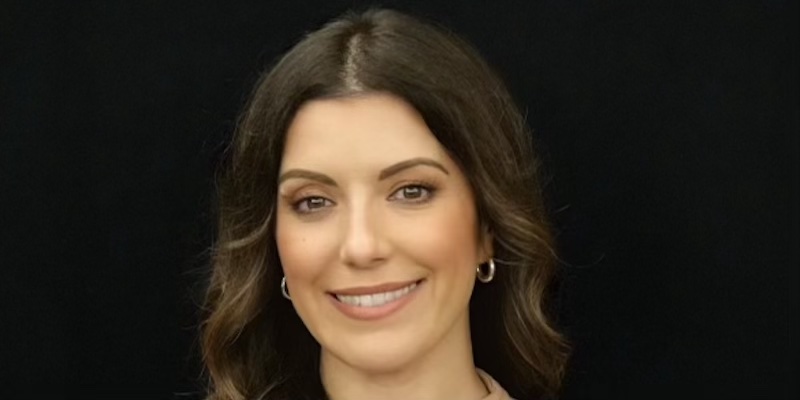
Cheryl Paglierani
Known for an ability to identify emerging talent and develop rising artists into superstars, agent Paglierani signed Post Malone at the beginning of his career and has played an integral role in growing his work from the ground up. With a roster including 21 Savage, Dominic Fike, and Jessie Murph, she has twice appeared on Billboard’s Power 100 list. In this excerpt from the first-ever IQ Global Stadium Report, she talks about taking artists to stadium level.
The number of stadium concerts is booming right now – what do you think is behind this explosive growth?
The rise of global superstars over the past several years with cult-like fanbases big enough to fill stadiums is certainly a driving factor. As we see the number of artists who exist with that level of star power continue to grow, it’s only natural that we’d also see the number of large-scale stadium shows continue to grow.
What does it take to help an artist make the leap from arenas to stadiums?
It takes a multitude of factors that start with building your tour history properly from the beginning, not skipping any steps early on, understanding your fanbase, and pricing your shows properly to sell out so that, as you grow, you are always playing in front of the most people possible. From there, it takes consistency and putting on an incredible show every night so that new fans become lifelong fans who want to return again and again to see you perform. It takes an undeniable catalogue of great music built over time.
“Ultimately, it’s not just about whether an artist can fill a stadium – it’s whether the show feels worthy of one”
Most importantly, it takes an artist who has the vision, creativity, and charisma to carry a stadium show, with a strong team of people around them to execute it. Ultimately, it’s not just about whether an artist can fill a stadium – it’s whether the show feels worthy of one.
As demand surges, stadium calendars are getting tighter. How is that changing the way agents plan tours – and what kind of flexibility or strategy does that require?
It certainly makes us aim to plan much further ahead. Getting ahead of avails at any venue level is always a hurdle if we aren’t planning far enough ahead. I’ve routed tours for artists multiple times without having final release schedules, just to be on the safe side, and have a plan in place when they’re ready to go. A big part of our job is routing…and then re-routing five more times! Having the foresight to anticipate what your client is going to need before they ask for it is what differentiates great agents from not-so-great agents. Having a plan A, B, and C in place is a must!
How do you see the future of stadium concerts?
The stadium business will certainly continue to grow. Whether it’s the new artists who are developing into the superstars of tomorrow, heritage acts who decide to give it one more go, or any of the current stars at the stadium level – there will always be someone paving the way for the next act to do it. This is a competitive industry and oftentimes artists are watching each other, aiming to up the scale. I don’t see that slowing down anytime soon.
Get more stories like this in your inbox by signing up for IQ Index, IQ’s free email digest of essential live music industry news.
